Grown rows and wild hillsides, one line
Two supply routes feed the same equipment. Cultivated plots give us species we can plan, schedule and repeat. Wild collection from the hills behind the plain gives us the species nobody farms, bought from collectors we can name.
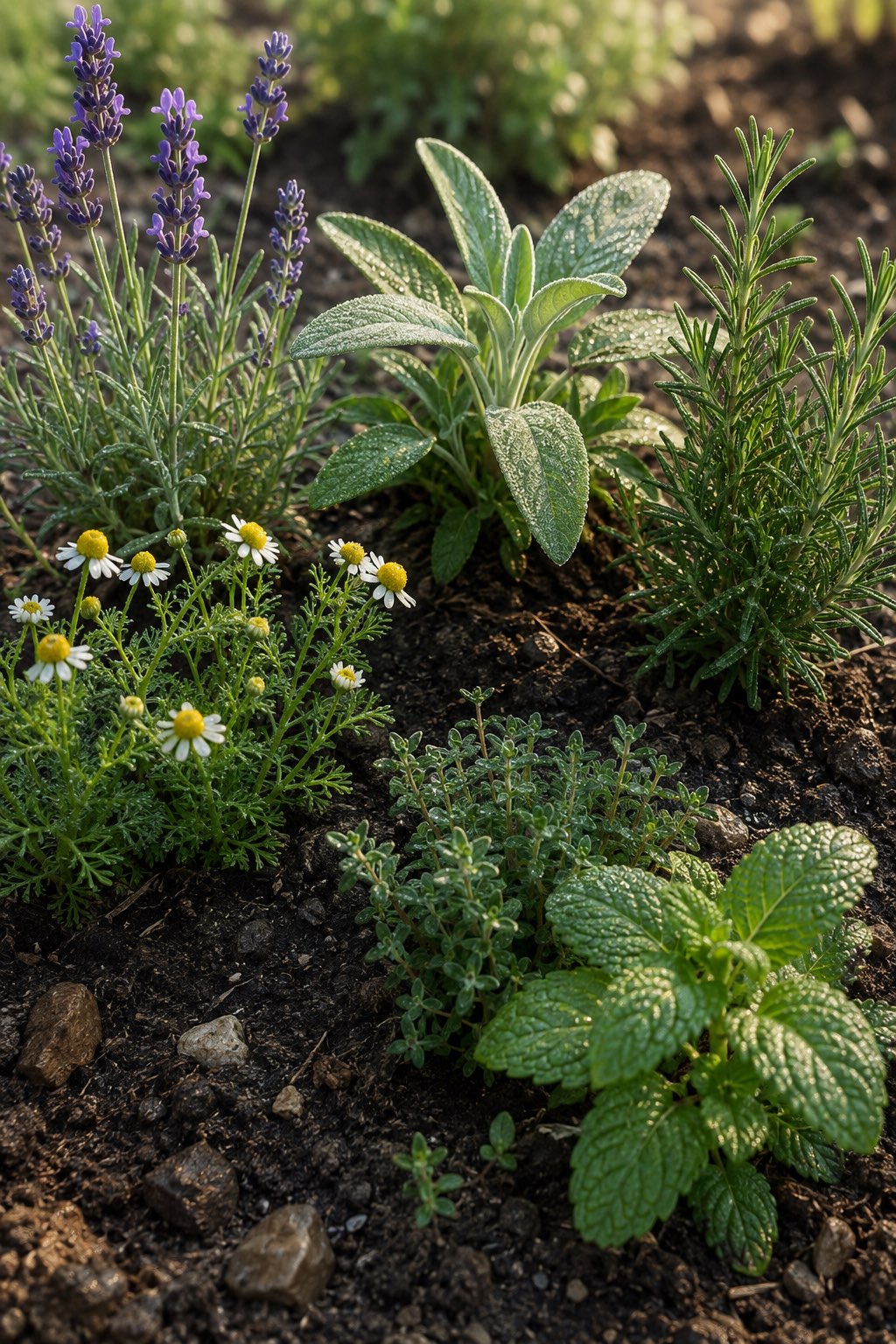
The species above are what this plain and the hills behind it will carry. Which of them we run first is a buyer's decision as much as ours.
Six steps we would rather not outsource
Industrial drying
Controlled hot-air drying with a temperature curve per species, because the point is to take the water out and leave the colour and the oil in.
Storage
Dry, dark, pest-managed rooms holding sealed lots, so material can wait for the right buyer instead of being sold in the week it was cut.
Examination laboratory
Moisture, essential-oil content, foreign matter, residues, heavy metals and microbiology — measured before a lot is released, not after a buyer complains.
Extraction
Steam distillation for essential oils and food-grade ethanol for extracts, run only on lots the laboratory has already cleared.
Packaging
Food-grade sacks, drums and bag-in-box, filled to the buyer's format and labelled with the lot number on every single unit.
Export into Europe
The customs paperwork, freight and documentation discipline built for our first produce contract, pointed at a second product. See the produce chain →
A lot is documented, or it is not for sale
A European buyer of botanical material does not ask for a story. They ask for a certificate of analysis and a paper trail back to the field or the hillside the material came from. That is the part we are designing first, because it is the part that cannot be bolted on later.
Every lot carries its botanical name, its parcel or collection area, its harvest and drying dates and its test results. Residues are held to European maximum residue levels. On the wild side we buy against collection areas we have walked ourselves, which is also the only way to know a species is being cut at a rate it survives.
We sell dried plant material, essential oils and extracts as ingredients. We make no medicinal claim for any of them, and nothing here is an offer of a medicine or a supplement.
This line is at design stage. Where a step is served by a partner facility in the first season rather than by our own equipment, we will say which step and which partner.
Tell us the species and the spec.
Collectors and growers with material to place, processors who want a fixed origin they can audit, and investors who would rather see the drying and extraction line built faster than one pepper season at a time can fund it — those are the conversations worth having before the equipment is bought.